The Metamorphosis of Met: A Museum's Enduring Appeal
The Metropolitan Museum of Art continues to reinvent itself through ambitious exhibitions, digital initiatives, and educational programming while preserving a collection spanning 5,000 years of human creativity.


New York City's Metropolitan Museum of Art, affectionately known as "The Met," stands as one of the world's most iconic and comprehensive art museums. With its vast collection spanning over 5,000 years of human history and creativity, The Met continues to captivate millions of visitors each year. However, beyond its permanent collections, the museum is constantly evolving through new exhibitions, innovative programming, and efforts to engage with contemporary audiences.
The Met's diverse holdings encompass art from virtually every culture and period, from ancient Egyptian artifacts and classical sculptures to European masterpieces and contemporary installations.
Its encyclopedic nature allows visitors to embark on a journey through time and across continents, experiencing the richness and diversity of human artistic expression. The museum's commitment to scholarship and conservation ensures that these treasures are preserved for future generations.

In addition to its permanent collections, The Met regularly hosts a wide array of temporary exhibitions that explore specific artists, movements, or cultural themes. These exhibitions often draw significant attention and provide fresh perspectives on art history and contemporary art practices. The museum also offers a variety of educational programs, including lectures, workshops, and family activities, aimed at making art accessible to a broad audience.
Recognizing the importance of engaging with contemporary audiences, The Met has also been actively incorporating technology and new media into its presentations. This includes interactive digital displays, online resources, and social media initiatives designed to enhance the visitor experience and reach a wider global audience. The Met's ongoing efforts to adapt and innovate ensure its continued relevance as a vital cultural institution in the 21st century.
 Sofia Martinez
Written by
Read next

The Art of the Cover: How Magazine Illustration Became Cultural Commentary
The New Yorker's iconic cover illustrations have long served as a barometer of American culture, transforming each week's news and social currents into singular works of visual art.
9th Ave's World: How a Cartoon Defined Global Perspective
Saul Steinberg's iconic New Yorker cover, "View of the World from 9th Avenue," endures as a witty and penetrating commentary on provincialism and the subjective nature of perspective.
The Architects of Modern Taste
A distinct class of cultural visionaries is quietly reshaping modern aesthetics across art, design, and lifestyle -- not by chasing trends, but by curating experiences and championing emerging talent with an unwavering commitment to authenticity.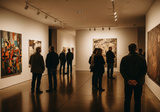
The New Yorker's Political Stage: Podcasts and Local Power Plays
The New Yorker's "Political Scene" podcast and its reporting on the New York City Council speaker race illustrate the magazine's reach from national policy analysis to granular local politics.
The Architecture of Compromise: How Bills Actually Become Laws
The journey from policy idea to enacted law is far messier than any civics textbook suggests, built on committee gatekeeping, back-channel negotiations, and the deliberate architecture of compromise.
Arctic Ambitions: Why Northern Shipping Lanes Reshape Global Trade
Receding Arctic ice is opening shipping routes that were once impassable, triggering a quiet but intense competition among northern nations over trade, sovereignty, and environmental stewardship.