The Architects of Modern Taste
A distinct class of cultural visionaries is quietly reshaping modern aesthetics across art, design, and lifestyle -- not by chasing trends, but by curating experiences and championing emerging talent with an unwavering commitment to authenticity.

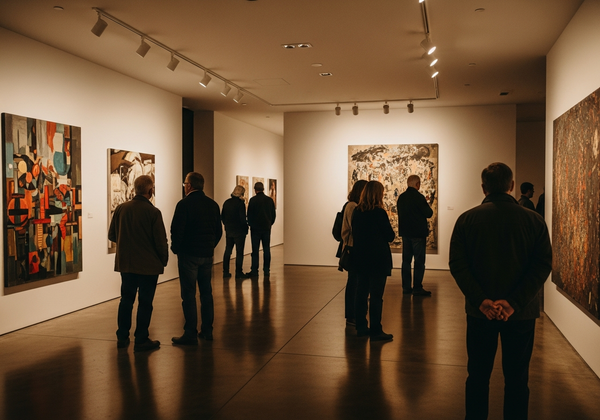
In an age saturated with fleeting trends and algorithm-driven feeds, true influence often feels diluted, measured in likes rather than lasting impact. We scroll past countless perfectly curated grids, yet something deeper often seems missing: a genuine, guiding vision. But beyond the noise, a distinct group operates—individuals and partnerships who don't merely reflect culture but actively shape it. These are the Architects of Modern Taste.
They operate at the confluence of art, design, fashion, and lifestyle, possessing an innate ability to synthesize the zeitgeist while simultaneously pushing its boundaries. Unlike traditional influencers who might amplify existing trends, these architects often work more subtly, curating experiences, championing emerging talents, or crafting aesthetics that slowly permeate the collective consciousness. Their power lies not in follower counts, but in the resonance and authenticity of their point of view.

What Defines a Taste Architect?
It's more than just having "good taste." It involves a rigorous Curation process, an unwavering commitment to Quality, and often, a deeply personal Narrative that informs their choices. Consider the duo behind the lauded minimalist design collective 'Studio Forma'. They don't chase every new design fad; instead, they focus on sustainable materials and timeless forms, slowly educating their clientele and followers on the value of 'less but better'. Their influence isn't loud, but their impact on interior design trends is undeniable.
These architects often possess:
- A Unique Sensory Language: They communicate through aesthetics, understanding how color, texture, form, and even sound combine to create a specific mood or message.
- An Eye for the Undiscovered: They champion emerging artists, designers, or ideas before they hit the mainstream, acting as crucial conduits for innovation.
- Cross-Disciplinary Fluency: They move seamlessly between different creative fields—art, fashion, food, tech—understanding the interconnectedness of cultural expression.
- A Commitment to Narrative: Their choices are often embedded in a larger story or philosophy, adding depth and meaning beyond mere visual appeal.



The Ripple Effect
The impact of these individuals and groups extends far beyond their immediate circle. The spaces they design, the objects they commission, the collaborations they foster – these create ripples that influence broader industry trends. Think of the boutique hotel owner whose distinct aesthetic choices filter down into mainstream home decor, or the gallery curator whose early championing of an unknown artist eventually leads to international acclaim.
They remind us that taste isn't just about consumption; it's about discernment, perspective, and the deliberate shaping of our environment. It's about understanding the 'why' behind the 'what'.
Cultivating Your Own Vision
While not everyone is destined to be a global taste architect, their approach offers valuable lessons. It encourages us to move beyond passive consumption and cultivate our own unique perspective. It prompts us to ask: What truly resonates with me? What values do I want my choices—in fashion, design, or lifestyle—to reflect?
In a world demanding constant attention, the true architects of taste offer something more enduring: a considered vision. They prove that genuine influence isn't just about being seen; it's about shaping how we see.
 Sofia Martinez
Written by
Read next

The Art of the Cover: How Magazine Illustration Became Cultural Commentary
The New Yorker's iconic cover illustrations have long served as a barometer of American culture, transforming each week's news and social currents into singular works of visual art.
9th Ave's World: How a Cartoon Defined Global Perspective
Saul Steinberg's iconic New Yorker cover, "View of the World from 9th Avenue," endures as a witty and penetrating commentary on provincialism and the subjective nature of perspective.
Regional Rhythms Silenced? Changes in Local Arts Coverage
The cancellation of a long-standing regional arts column by a major news publication raises alarms about the future visibility of local artists and the communities that depend on dedicated cultural coverage.
The New Yorker's Political Stage: Podcasts and Local Power Plays
The New Yorker's "Political Scene" podcast and its reporting on the New York City Council speaker race illustrate the magazine's reach from national policy analysis to granular local politics.
The Architecture of Compromise: How Bills Actually Become Laws
The journey from policy idea to enacted law is far messier than any civics textbook suggests, built on committee gatekeeping, back-channel negotiations, and the deliberate architecture of compromise.
Arctic Ambitions: Why Northern Shipping Lanes Reshape Global Trade
Receding Arctic ice is opening shipping routes that were once impassable, triggering a quiet but intense competition among northern nations over trade, sovereignty, and environmental stewardship.