Home Harmony: Creating Spaces for Modern Living
Contemporary home design is embracing biophilic principles, sustainable materials, and flexible layouts as homeowners seek spaces that balance aesthetic appeal with functionality and environmental responsibility.


The way we design and decorate our homes has a profound impact on our daily lives and overall well-being. Modern home design trends are increasingly focused on creating spaces that are not only aesthetically pleasing but also functional, comfortable, and reflective of individual lifestyles. This article explores some of the key elements shaping contemporary home design.
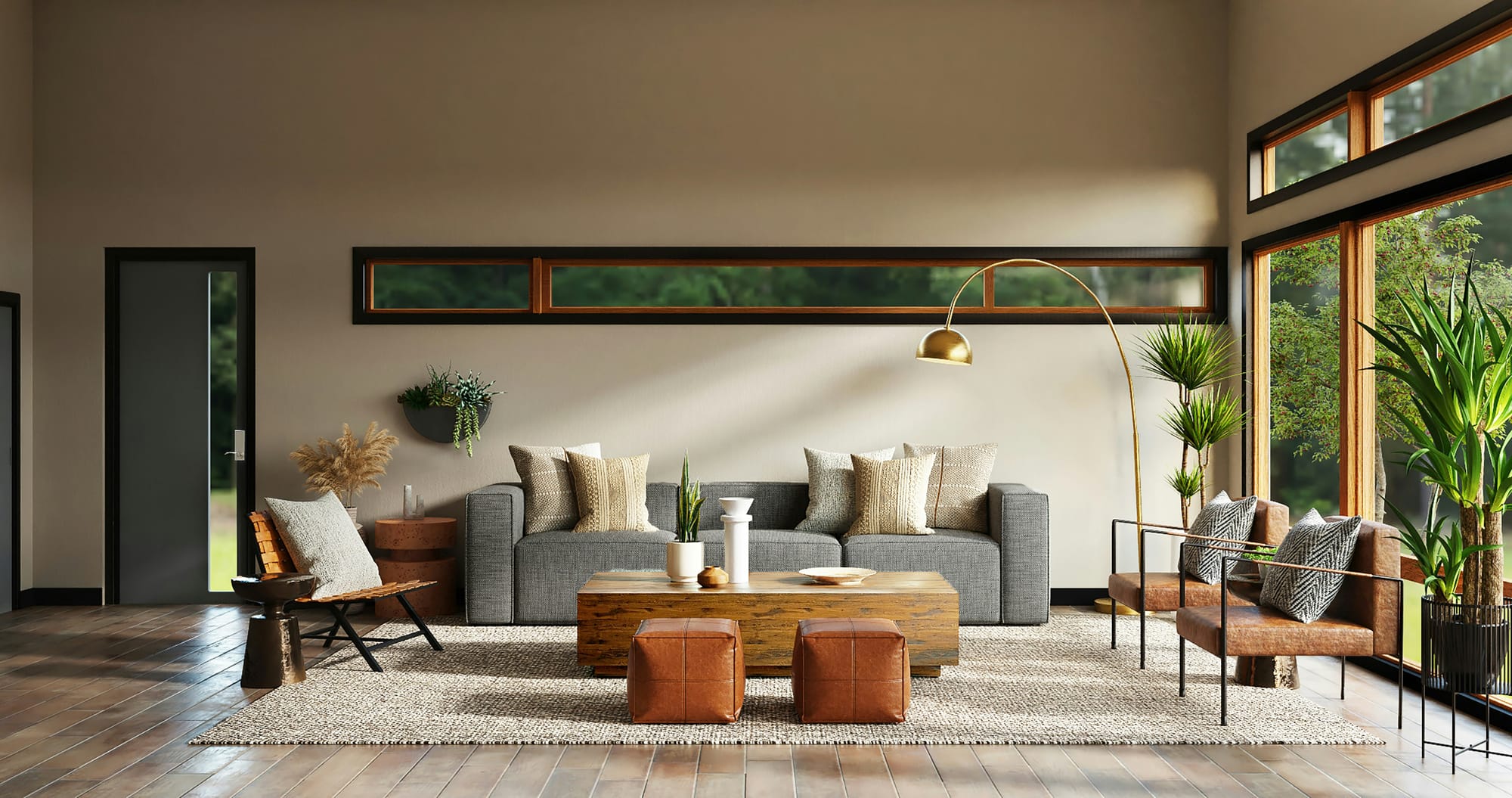
One prominent trend is the emphasis on natural materials and biophilic design, which seeks to connect indoor spaces with the natural world. Incorporating elements like wood, stone, and plants can create a sense of calm and tranquility, while maximizing natural light and ventilation contributes to a healthier living environment.
The way we design and decorate our homes has a profound impact on our daily lives and overall well-being.
Sustainability is also a growing consideration in home design. This includes choosing eco-friendly materials, opting for energy-efficient appliances, and designing spaces that promote resource conservation. The focus is on creating homes that are not only beautiful but also environmentally responsible.



Functionality and flexibility are key aspects of modern living spaces. With the rise of remote work and multi-generational households, homes are often required to serve multiple purposes. Flexible furniture, adaptable layouts, and designated work or study areas are becoming increasingly important design considerations.
Personalization remains at the heart of good home design. Creating a space that reflects individual tastes, values, and lifestyle is essential for fostering a sense of belonging and comfort. Incorporating personal collections, artwork, and meaningful objects can transform a house into a home that truly tells your story.
 Anita Kovačić
Written by
Read next

Chip and Pharma Imports Under Scrutiny: National Security Concerns Rise
National security investigations into semiconductor and pharmaceutical imports signal a broader push to reduce U.S. reliance on foreign supply chains for strategically critical goods.
The Tariffs' Tightrope: Balancing Economic Gains and Global Pains
Trade tariffs intended to protect domestic industries carry significant risks, from higher consumer prices and retaliatory measures abroad to broader disruptions in global commerce.
The End of Presidential Endorsements: A Newspaper's Retreat?
The Washington Post's decision to end its tradition of endorsing presidential candidates has ignited debate over whether newspapers are abandoning civic duty or adapting to a transformed media landscape.
The New Yorker's Political Stage: Podcasts and Local Power Plays
The New Yorker's "Political Scene" podcast and its reporting on the New York City Council speaker race illustrate the magazine's reach from national policy analysis to granular local politics.
The Architecture of Compromise: How Bills Actually Become Laws
The journey from policy idea to enacted law is far messier than any civics textbook suggests, built on committee gatekeeping, back-channel negotiations, and the deliberate architecture of compromise.
Arctic Ambitions: Why Northern Shipping Lanes Reshape Global Trade
Receding Arctic ice is opening shipping routes that were once impassable, triggering a quiet but intense competition among northern nations over trade, sovereignty, and environmental stewardship.