After the Pandemic: How Public Health Systems Are Being Rebuilt
The pandemic exposed critical weaknesses in global health infrastructure — now countries are racing to rebuild systems that can withstand the next crisis.

In a converted warehouse on the outskirts of Kigali, Rwanda, rows of gleaming bioreactors hum at a constant 37 degrees Celsius. This is BioNTech's first mRNA manufacturing facility in Africa, one of several plants that began production in 2024 as part of a continent-wide effort to ensure that the next pandemic does not leave a billion people waiting at the back of the vaccine queue. The facility can produce 50 million doses annually. During the COVID-19 crisis, the entire African continent received fewer than that in the first year of global vaccine distribution.
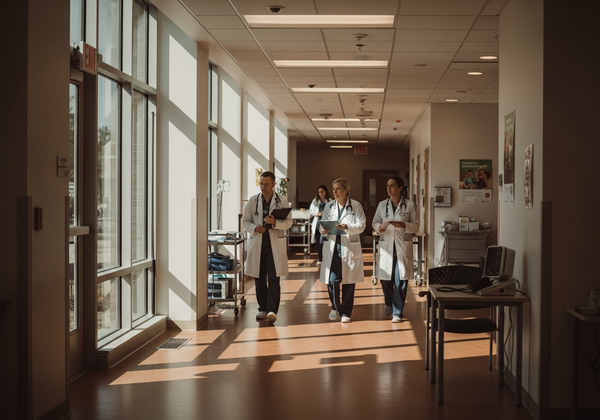
The disparity between those numbers captures the central lesson of the pandemic: health systems built for normal times collapse under extraordinary pressure, and the communities least equipped to rebuild are invariably those hit hardest. Now, five years after COVID-19 was declared a global emergency, nations across every continent are racing to construct public health infrastructure capable of withstanding the next crisis. The question is whether the political will and funding can outlast the fading memory of the last one.
From Reactive to Proactive
The pandemic exposed a fundamental design flaw in global health architecture. Most national systems were built to respond to disease outbreaks after they occurred, not to detect and contain them before they spread. Surveillance networks were fragmented, laboratory capacity was concentrated in wealthy nations, and supply chains for critical medical equipment proved catastrophically brittle under simultaneous global demand.
The shift toward proactive disease surveillance has become the defining reform of the post-pandemic era. South Korea's National Center for Disease Intelligence, established in 2023, integrates real-time data from hospital admissions, wastewater monitoring, air travel patterns, and social media analysis to generate early warning signals for emerging pathogens. The system detected an unusual cluster of respiratory illness in Busan a full twelve days before traditional reporting channels flagged it.
"The pandemic taught us that the cost of preparedness is always less than the cost of response. Every dollar invested in surveillance and early detection saves an estimated seven dollars in emergency response and economic damage."
Manufacturing Sovereignty
The scramble for vaccines in 2021 revealed a stark geographic imbalance in pharmaceutical manufacturing capacity. At the height of the crisis, ten countries produced more than 90 percent of the global vaccine supply, leaving the rest of the world dependent on donations, bilateral deals, and the COVAX facility, which consistently fell short of its targets.
The response has been a wave of investment in regional manufacturing capacity. Beyond Rwanda's mRNA facility, South Africa's Biovac Institute has expanded its fill-and-finish capabilities, Senegal is building a vaccine production plant with support from the European Union, and Indonesia has partnered with South Korean firms to establish domestic mRNA production. The goal is not full autarky but sufficient distributed capacity to prevent any region from being entirely dependent on external supply during a crisis.
WHO Reform and the Pandemic Treaty
At the institutional level, the most ambitious reform effort has centered on the World Health Organization and the proposed Pandemic Treaty, formally known as the WHO Convention, Agreement, or Other International Instrument on Pandemic Prevention, Preparedness, and Response. Negotiations have been contentious. Wealthy nations have resisted binding commitments on technology transfer, while developing countries have pushed for guaranteed access to vaccines and therapeutics during emergencies.
The treaty's most debated provision concerns pathogen access and benefit sharing. Under the current system, countries that detect novel pathogens are expected to share samples and genomic data with the international community, but there is no binding mechanism to ensure they receive equitable access to the vaccines and treatments developed from that information. Indonesia's refusal to share H5N1 bird flu samples in 2007, citing exactly this inequity, foreshadowed a tension that COVID-19 brought into sharp focus.
Supply Chain Resilience
The pandemic's disruption of medical supply chains extended far beyond vaccines. Ventilator shortages, mask scarcity, and oxygen crises in countries from India to Peru demonstrated that just-in-time manufacturing models, efficient under normal conditions, offered no buffer against systemic shocks. Hospitals that had outsourced sterilization, device maintenance, and even basic supply procurement found themselves unable to function when those external systems failed simultaneously.
The rebuilding effort has focused on strategic stockpiling, regional manufacturing networks, and diversified sourcing. The European Health Emergency Preparedness and Response Authority, created in 2021, now maintains reserves of critical medical countermeasures across the continent. Several African nations have pooled procurement through the Africa Medical Supplies Platform, reducing costs and ensuring more reliable access to essential equipment.
The Fragility of Political Memory
The greatest threat to post-pandemic health reform is not technical but political. Public health investment competes with immediate economic pressures, and the urgency that drove reform in 2021 and 2022 has faded as the pandemic has receded from daily consciousness. Several countries that announced ambitious health system overhauls have quietly reduced funding allocations as fiscal pressures mounted.
History offers sobering precedents. The 2014 Ebola outbreak in West Africa prompted similar pledges of systemic reform, many of which were abandoned within three years. The H1N1 pandemic of 2009 generated a wave of preparedness plans that sat unread on ministry shelves when COVID-19 arrived a decade later. Whether the current generation of reforms proves more durable will depend on whether governments can sustain investment in systems whose value is measured not in visible achievements but in catastrophes averted, a metric that, by its nature, generates no headlines and wins no elections.
 Maria Fernandez
Written by
Read next

Arctic Ambitions: Why Northern Shipping Lanes Reshape Global Trade
Receding Arctic ice is opening shipping routes that were once impassable, triggering a quiet but intense competition among northern nations over trade, sovereignty, and environmental stewardship.
The Quiet Rise of African Tech Hubs
From Lagos to Nairobi to Cape Town, a generation of entrepreneurs is building a technology ecosystem that global investors and multinational firms can no longer afford to overlook.
Water Diplomacy: The Geopolitics of Shared Rivers
As climate change disrupts rainfall patterns and populations swell, the rivers that cross national borders are becoming some of the most contested spaces in international diplomacy.
The New Yorker's Political Stage: Podcasts and Local Power Plays
The New Yorker's "Political Scene" podcast and its reporting on the New York City Council speaker race illustrate the magazine's reach from national policy analysis to granular local politics.
The Architecture of Compromise: How Bills Actually Become Laws
The journey from policy idea to enacted law is far messier than any civics textbook suggests, built on committee gatekeeping, back-channel negotiations, and the deliberate architecture of compromise.
Arctic Ambitions: Why Northern Shipping Lanes Reshape Global Trade
Receding Arctic ice is opening shipping routes that were once impassable, triggering a quiet but intense competition among northern nations over trade, sovereignty, and environmental stewardship.