AI Unearths the Past: Algorithms Aid Archaeological Discoveries
Artificial intelligence is transforming archaeological research, with algorithms now capable of analyzing satellite imagery to locate buried structures and reconstructing fragmented artifacts from ancient sites.


The field of archaeology is increasingly embracing the power of artificial intelligence (AI) to revolutionize the process of discovery and analysis. Sophisticated AI models are being developed and deployed to assist archaeologists in identifying potential dig sites, analyzing vast datasets of satellite imagery and geophysical surveys, and even reconstructing fragmented artifacts. This technological integration promises to accelerate the pace of archaeological research and unlock new insights into past civilizations.
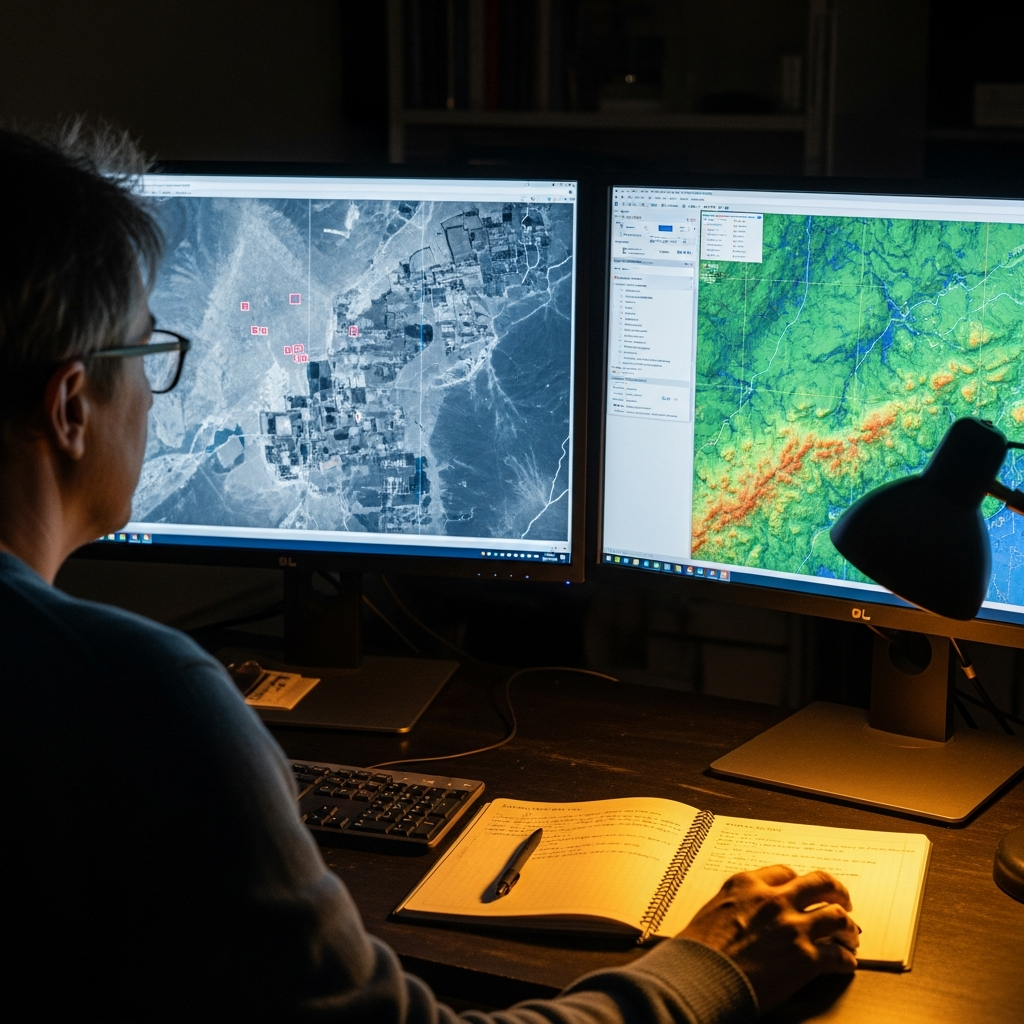
One significant application of AI in archaeology involves the analysis of remote sensing data. Algorithms can be trained to identify subtle patterns and anomalies in satellite images or aerial photographs that might indicate the presence of buried structures or ancient settlements. This can help archaeologists prioritize areas for ground-based investigation, saving significant time and resources.
This technological integration promises to accelerate the pace of archaeological research and unlock new insights into past civilizations.
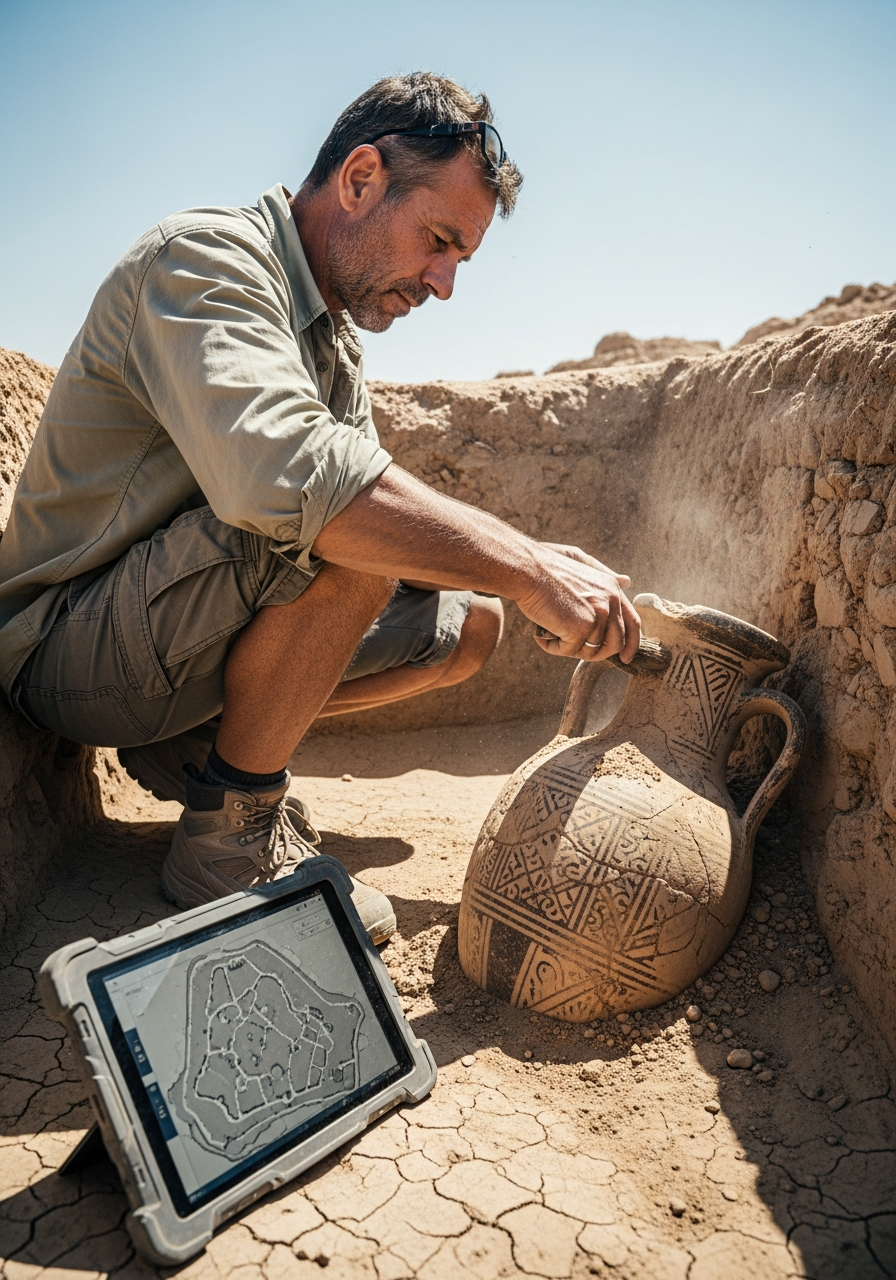
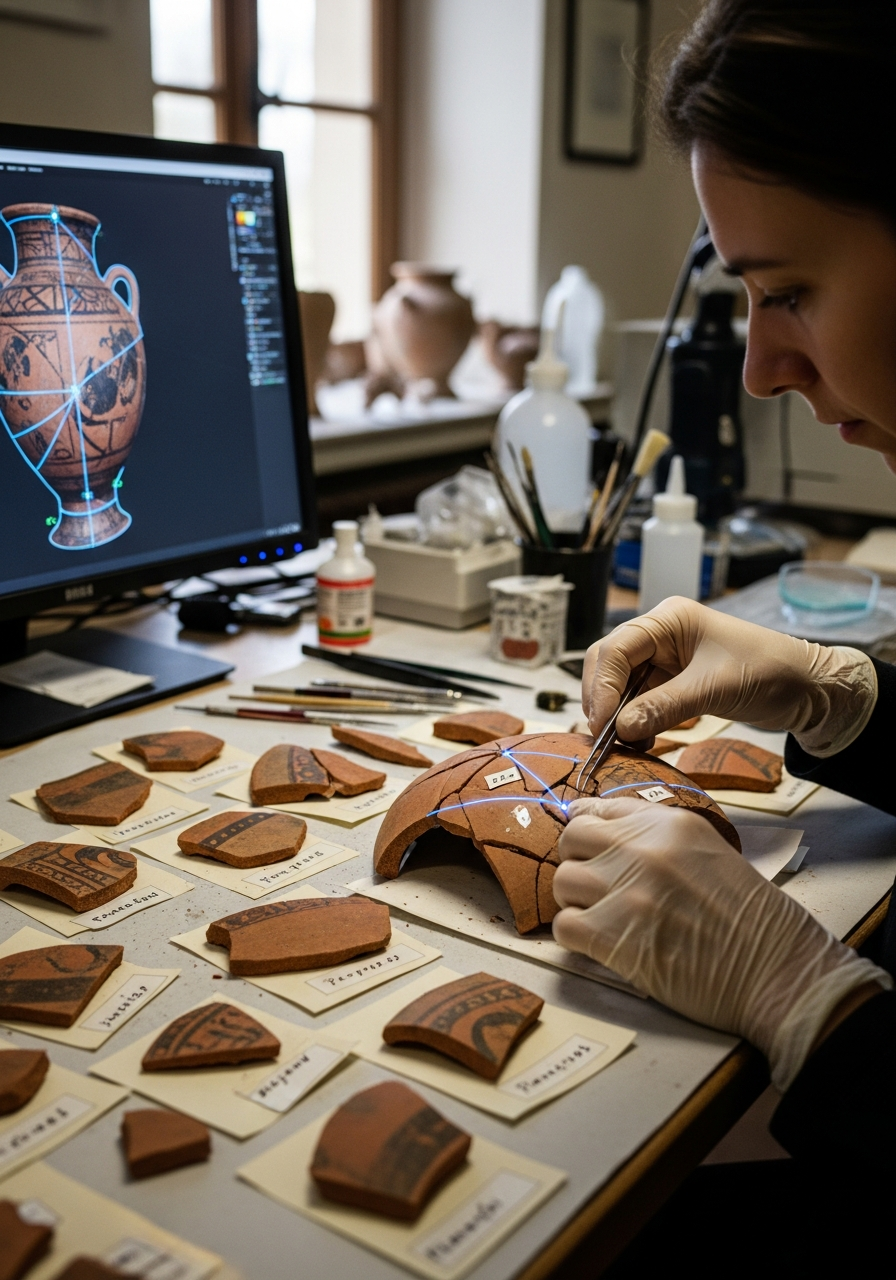
AI is also proving invaluable in the analysis of the massive amounts of data generated by modern archaeological excavations. Machine learning algorithms can be used to classify artifacts, identify patterns in their distribution, and even help reconstruct broken pottery or other fragmented objects. This can lead to more accurate interpretations of past cultures and their material remains.
The integration of AI into archaeology represents a powerful collaboration between technology and the humanities. While AI offers incredible analytical capabilities and the potential to uncover hidden aspects of the past, the expertise and contextual understanding of archaeologists remain crucial for interpreting the data and drawing meaningful conclusions about human history. This partnership promises to yield exciting new discoveries and a deeper understanding of our shared past.
 Thomas Fischer
Written by
Read next

Google DeepMind Unveils Gemini Omni, Its Real-Time AI
The company's new omni-modal model processes text, images, audio, and live video at once, part of an intensifying race to build AI that perceives the world the way people do.
AI's Promise and Peril: Navigating a World Transformed
Artificial intelligence stands poised to reshape healthcare, education, and the global workforce, but experts warn that ethical safeguards and workforce adaptation strategies must keep pace with rapid technological advancement.
Tariff Tangle: Impact on Gaming Consoles and Tech Prices
Proposed tariffs on Chinese imports threaten to raise prices on gaming consoles and consumer electronics, with industry analysts warning of broader ripple effects across the technology supply chain.
The New Yorker's Political Stage: Podcasts and Local Power Plays
The New Yorker's "Political Scene" podcast and its reporting on the New York City Council speaker race illustrate the magazine's reach from national policy analysis to granular local politics.
The Architecture of Compromise: How Bills Actually Become Laws
The journey from policy idea to enacted law is far messier than any civics textbook suggests, built on committee gatekeeping, back-channel negotiations, and the deliberate architecture of compromise.
Arctic Ambitions: Why Northern Shipping Lanes Reshape Global Trade
Receding Arctic ice is opening shipping routes that were once impassable, triggering a quiet but intense competition among northern nations over trade, sovereignty, and environmental stewardship.