The Dam Dilemma: Water Infrastructure and International Conflict
As rivers become the most contested natural resource of the century, the dams that harness them are turning into flashpoints for international conflict.

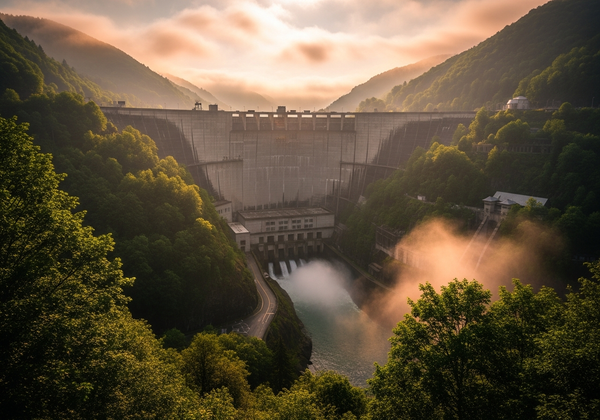
In the highlands of northwestern Ethiopia, a concrete colossus rises 145 meters above the Blue Nile gorge. The Grand Ethiopian Renaissance Dam, nearly a decade in the making, holds back enough water to submerge the entire state of Connecticut under a meter of standing flood. For Ethiopia's 120 million citizens, it represents electrification, modernization, and sovereignty over a natural resource that begins within their borders. For Egypt, 2,500 kilometers downstream, it represents an existential threat to a civilization that has depended on the Nile's flow for five millennia.
The standoff between these two nations is not unique. It is merely the most visible symptom of a crisis playing out on every inhabited continent: as freshwater becomes the most contested natural resource of the twenty-first century, the dams that harness it are becoming flashpoints for international conflict.
Rivers That Cross Borders
There are 310 transboundary river basins on Earth, shared by 150 countries and home to roughly 40 percent of the global population. The legal frameworks governing these waterways are, in most cases, either outdated or nonexistent. The 1997 UN Convention on the Law of Non-Navigational Uses of International Watercourses took seventeen years to enter into force and has been ratified by only 37 nations. Major upstream powers, including China, Turkey, and Ethiopia, have declined to sign.
The absence of binding agreements has left disputes to be resolved through bilateral negotiation, regional pressure, or simple fait accompli. Turkey's Southeastern Anatolia Project, a network of 22 dams on the Tigris and Euphrates, has reduced downstream flows to Iraq and Syria by as much as 80 percent during peak construction periods. The Mekong, shared by six nations, has seen its fisheries collapse in the lower basin as Chinese dams upstream alter seasonal flooding patterns essential for spawning.
"Water is the one resource for which there is no substitute, no synthetic alternative, and no possibility of import at scale. That makes it fundamentally different from oil, gas, or minerals — and fundamentally more dangerous as a source of conflict."
The Nile Impasse
The Ethiopian dam dispute encapsulates every dimension of the water infrastructure dilemma. Ethiopia argues, with considerable justification, that it has the sovereign right to develop its own natural resources. The dam will generate 5,150 megawatts of electricity, enough to power the entire nation and export surplus energy to neighbors. Currently, only 45 percent of Ethiopians have access to reliable electricity.
Egypt counters that the dam's reservoir, when filled, will reduce Nile flows during critical years by as much as 25 percent. Egyptian agriculture, which depends almost entirely on Nile irrigation, supports 60 million people. The country already imports more than half its wheat. Any reduction in water availability would push millions toward food insecurity.
A decade of negotiations, mediated variously by the African Union, the United States, and the World Bank, has produced no binding agreement. Ethiopia began filling the reservoir unilaterally in 2020. By 2025, the dam was generating power, and the diplomatic window for a comprehensive treaty appeared to be closing.
The Rise of Hydro-Diplomacy
Against this backdrop of tension, a new field of conflict resolution has emerged. Hydro-diplomacy, a term coined by researchers at the Geneva Water Hub, seeks to reframe water disputes not as zero-sum competitions but as opportunities for cooperative management. The model draws on the few successful precedents available, notably the Indus Waters Treaty between India and Pakistan, which has survived three wars and seven decades of hostility since its signing in 1960.
The approach emphasizes data sharing, joint monitoring systems, and benefit-sharing arrangements that move beyond simple volumetric allocation. Rather than dividing a river's flow into fixed percentages, hydro-diplomacy proposes that upstream and downstream nations share the economic benefits generated by infrastructure, whether through preferential energy pricing, agricultural investment, or joint development funds.
Downstream Farming and the Human Cost
The theoretical elegance of these frameworks obscures the immediate human reality. In southern Iraq, salt contamination from reduced Tigris flows has rendered thousands of hectares of farmland unusable. Fishing communities along the Mekong's Tonle Sap in Cambodia have seen catches decline by 40 percent since 2010. Egyptian farmers in the Nile Delta, already squeezed by rising sea levels and soil salinization, face the prospect of further reductions in the water that sustains their harvests.
These are not abstract policy challenges. They are displacement events in slow motion, affecting populations that have neither the resources to adapt nor the political power to influence the upstream decisions that determine their fate.
Looking Ahead
The dam dilemma will intensify before it eases. Climate change is altering precipitation patterns across every major river basin, making historical flow data unreliable for future planning. Population growth in water-stressed regions, particularly sub-Saharan Africa and South Asia, will increase demand even as supply becomes less predictable. And the proliferation of dam construction, with more than 3,700 major hydroelectric projects currently planned or under construction worldwide, ensures that new disputes will continue to emerge.
The question is not whether water will become a source of international conflict. It already is. The question is whether the nascent frameworks of hydro-diplomacy can mature quickly enough to prevent disputes from escalating beyond the negotiating table, and whether the nations that control the headwaters of the world's great rivers will accept constraints on their sovereignty in the interest of shared survival.
 Maria Fernandez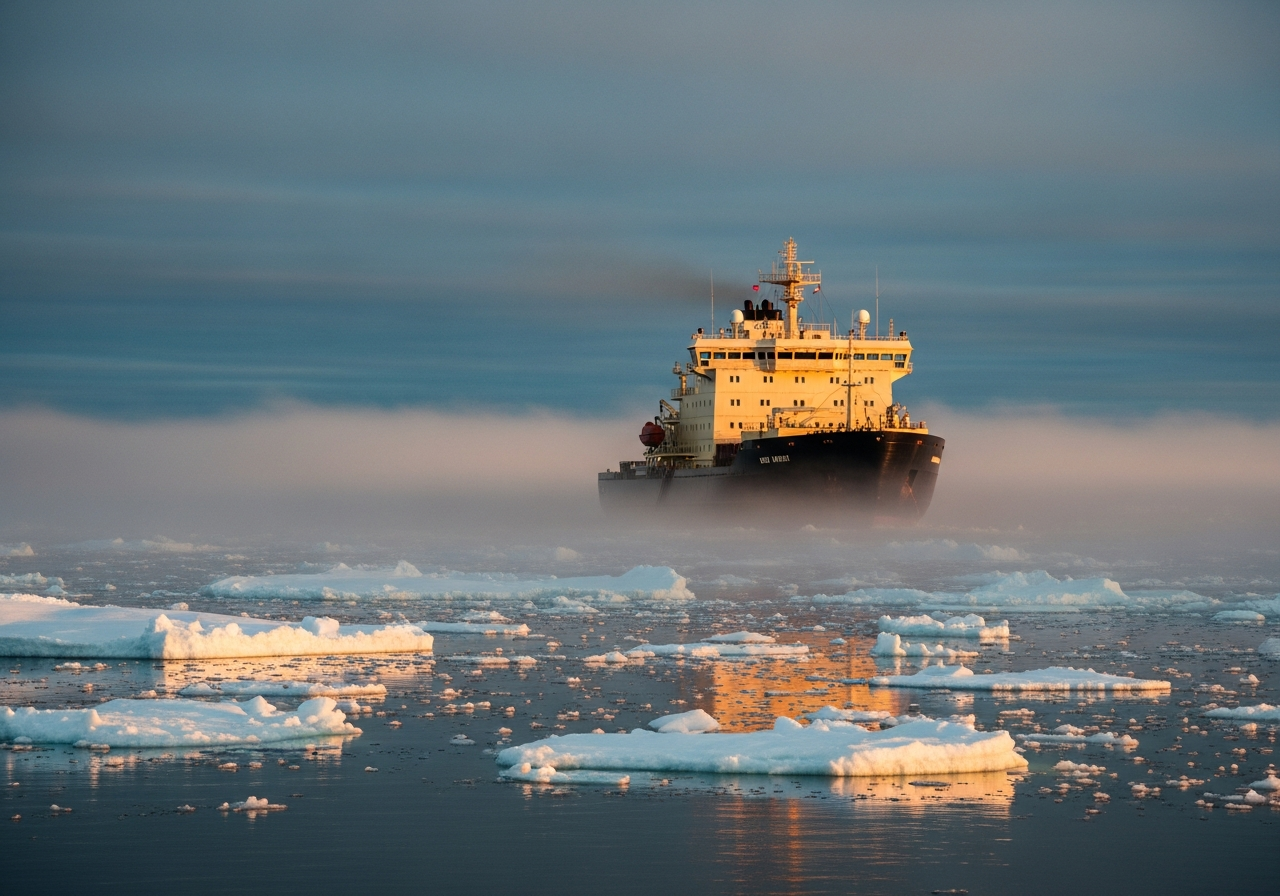
Written by
Read next

Arctic Ambitions: Why Northern Shipping Lanes Reshape Global Trade
Receding Arctic ice is opening shipping routes that were once impassable, triggering a quiet but intense competition among northern nations over trade, sovereignty, and environmental stewardship.
The Quiet Rise of African Tech Hubs
From Lagos to Nairobi to Cape Town, a generation of entrepreneurs is building a technology ecosystem that global investors and multinational firms can no longer afford to overlook.
Water Diplomacy: The Geopolitics of Shared Rivers
As climate change disrupts rainfall patterns and populations swell, the rivers that cross national borders are becoming some of the most contested spaces in international diplomacy.
The New Yorker's Political Stage: Podcasts and Local Power Plays
The New Yorker's "Political Scene" podcast and its reporting on the New York City Council speaker race illustrate the magazine's reach from national policy analysis to granular local politics.
The Architecture of Compromise: How Bills Actually Become Laws
The journey from policy idea to enacted law is far messier than any civics textbook suggests, built on committee gatekeeping, back-channel negotiations, and the deliberate architecture of compromise.
Arctic Ambitions: Why Northern Shipping Lanes Reshape Global Trade
Receding Arctic ice is opening shipping routes that were once impassable, triggering a quiet but intense competition among northern nations over trade, sovereignty, and environmental stewardship.